ABOUT US
Yip Wing Wai : Life and Art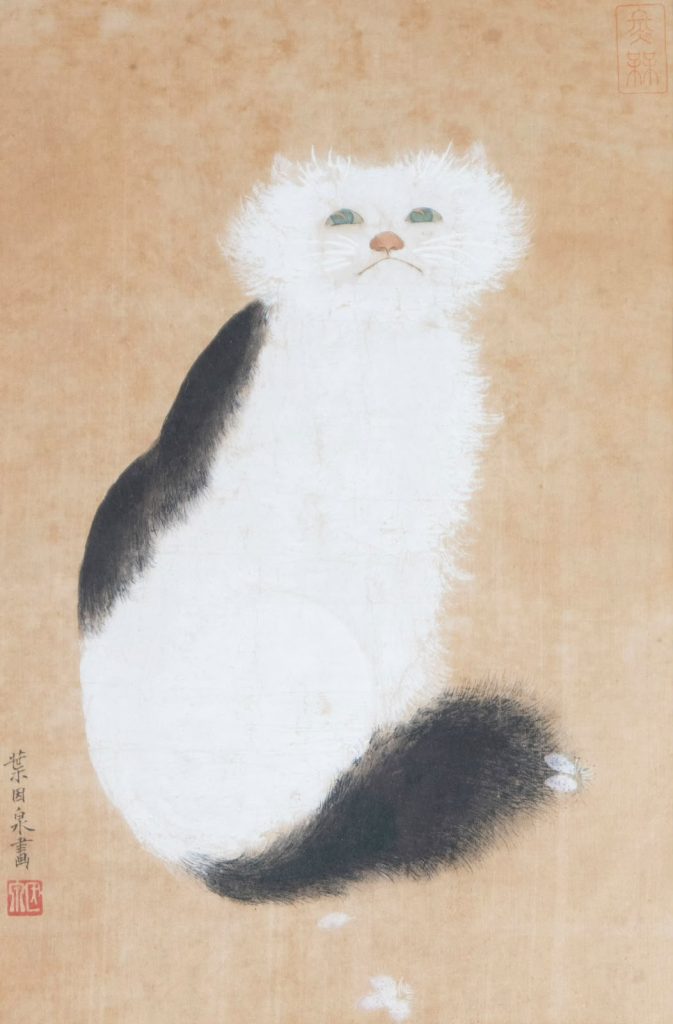
FAMILY BACKGROUND
Family Background and Artistic Heritage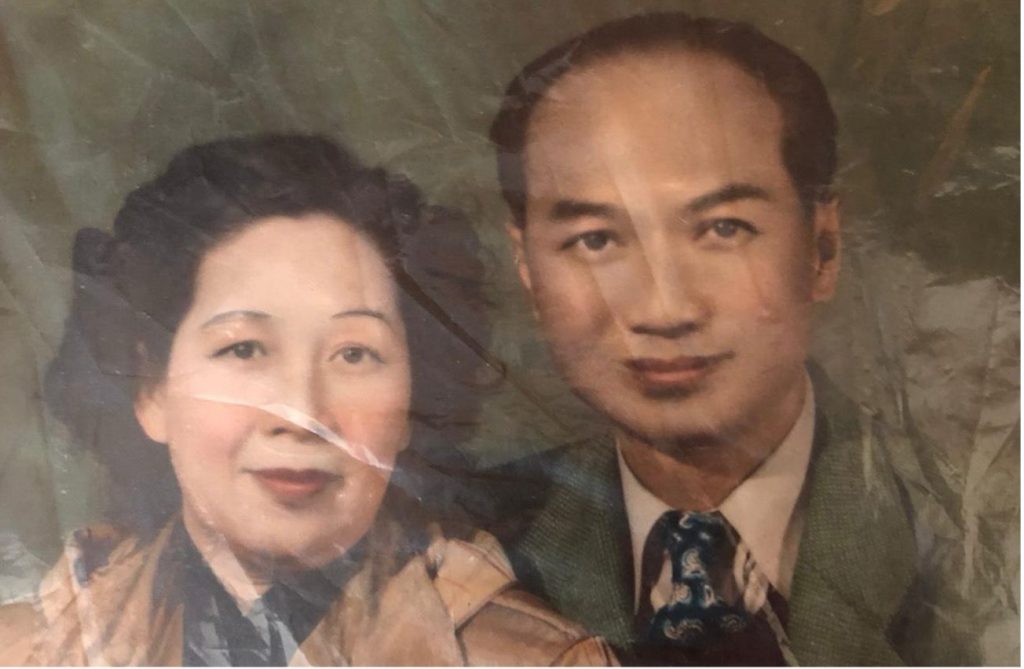
Yip Wing Wai (葉永蔚, 1932–2023) was born into one of the most distinctive artistic households in twentieth-century Cantonese art. His father, Yip Yan Chuen (葉因泉, 1903–1969), also known as Yip Yuen Tsin, was a founding figure in Cantonese cartooning. Ancestrally from Taishan and educated at Wah Yan College in Hong Kong, Yip Yan Cheung began his artistic career after his family’s peanut oil factory was destroyed by fire in 1920. He subsequently moved to Guangzhou, where he began publishing cartoons in the Shanghai and Guangzhou pictorial press in 1925.
In 1928, Yip Yan Chuen co-founded the Guangzhou Cartoon Society with Li Fanfu. In 1933, he launched his own weekly, Half-Corner Cartoons (半角漫畫), and created the serial character Ah Lo Tai, later developed by Li Fanfu into Ho Lo Tai. During the Second Sino-Japanese War, the magazine ceased publication, and he became known for his paintings of refugees. In 1941, while in Hong Kong, he painted the Eight Views of Hong Kong (香江八景), a group of small landscapes depicting historic sites, natural landmarks, and colonial structures across the territory.
Yip’s mother, Poon Chiu Fung (潘峭風, 1912–2003), was an accomplished artist, educator, and muralist. Born in Shunde, Guangdong, she graduated in pattern design from the Guangzhou High School of Fine Arts in 1928. She studied under Chen Zhifo, Ding Yanyong, and Huang Junbi, and later received formal training at the Tokyo University of Fine Arts. In 1933, she won first prize in decorative design painting at Guangzhou’s first annual art festival. From 1951 onward, she taught in Hong Kong at St Mark’s School and Heep Yunn School, and in 1958, she founded the Poon Chiu Fung Painting Academy. Her seventeen-storey mosaic mural, Confucius Travels, executed in Italian tile, was installed on the exterior of Hong Kong’s Ambassador Hotel.
This was the environment in which Yip Wing Wai grew up: a father devoted to observing and recording life on the street, and a mother whose career centred on composition, design, and teaching. His younger sister, Yee Wah (1936–2019), also trained with their parents before studying in Guangzhou and at New Asia College in Hong Kong. She later settled in San Diego and became a signature member of the National Watercolor Society.
ARTISTIC CAREER
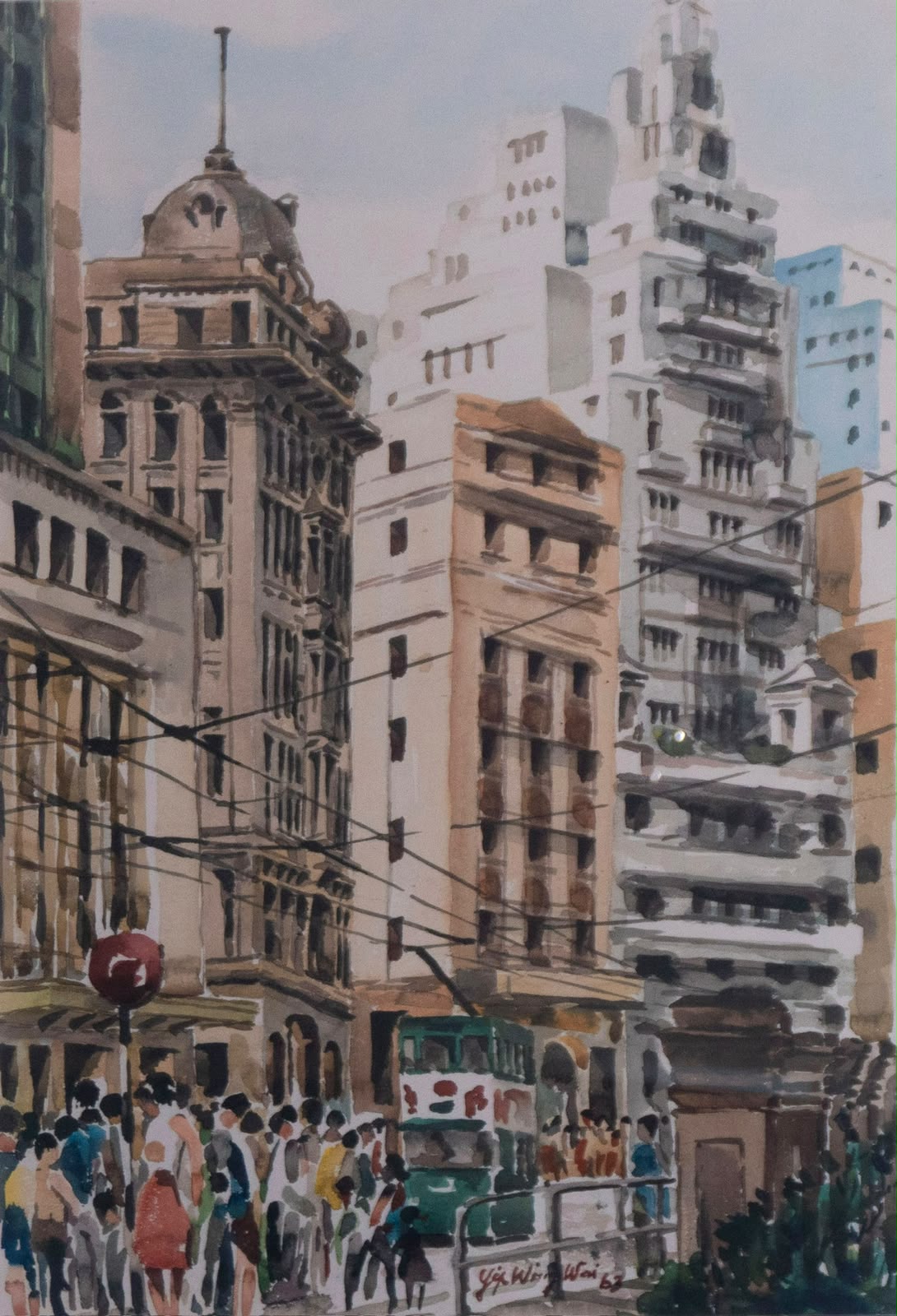
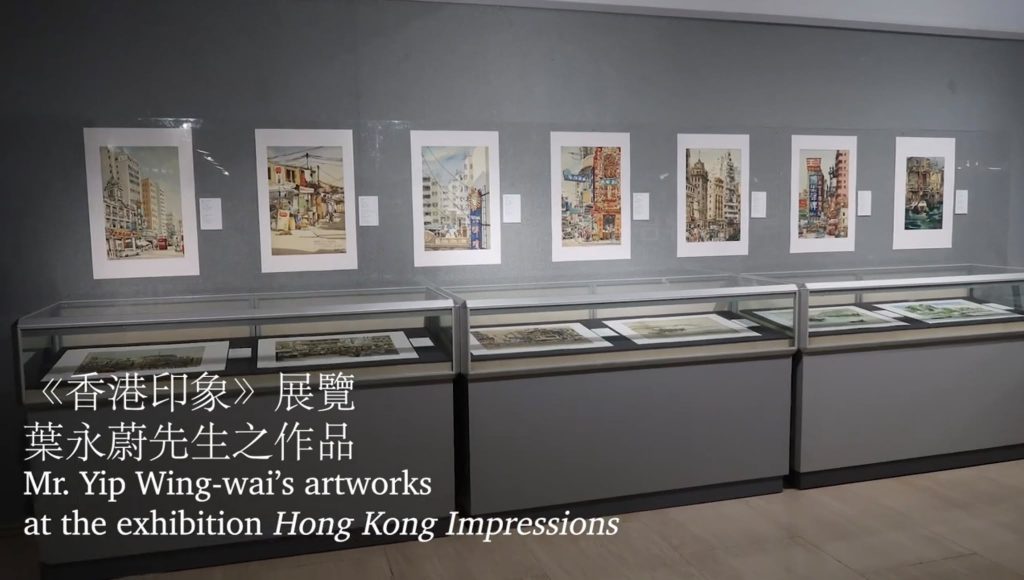
Hong Kong in WatercolourYip Wing Wai’s early artistic contribution lies in his on-site watercolours of Hong Kong during the 1960s, a period in which the city was rapidly being remade. Watercolour, with its speed, portability, and resistance to correction, allowed him to work directly from the streets, responding to changing light and the transient rhythms of everyday life.
He turned his attention to the ordinary fabric of Kowloon and the outlying islands: theatre façades, tenement streets, shopfronts, working waterfronts, and fishing villages. Works such as Broadway Theatre, Mong Kok (1962), Sai Kung Street, Yau Ma Tei (c. 1962), Alhambra Building, Yau Ma Tei (1963), and Tai O (1967) preserve aspects of Hong Kong that were then familiar but have since changed or disappeared.
Most of these watercolours are modest in scale, often measuring less than sixty centimetres along their longer side. They were later catalogued in vertical and horizontal scroll formats, bringing a Western medium into dialogue with Chinese pictorial conventions. Yip exhibited at the Hong Kong City Hall Museum and Art Gallery, the territory’s first public art museum and a major platform for local artists from the 1960s onwards. His watercolours were shown in a two-person exhibition alongside photographs by Tam Ning; the exhibition leaflet survives in the Ha Bik Chuen Archive at Asia Art Archive.
CREATIVE TRANSFORMATION
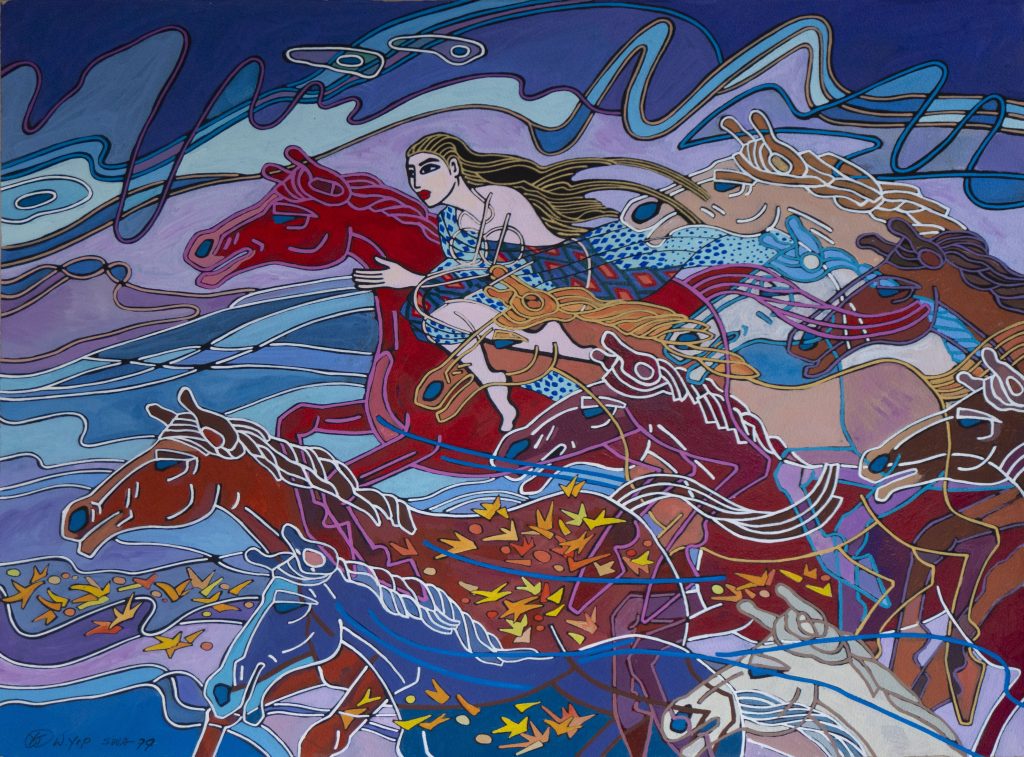
From Observation to an Inner WorldAfter moving to the United States, Yip gradually shifted away from direct, on-the-spot depictions of particular urban places towards a freer and more imaginative inner world. Surviving works from the 1980s onward reveal the vivid and highly decorative visual language he developed in mixed media on paper during his years abroad.
Mountains, seas, moonlight, horses, butterflies, fish, human figures, and animals are no longer merely observed subjects. They become symbolic presences that carry memory, feeling, migration, and spiritual imagination. His compositions are often structured by emphatic dark or pale outlines and filled with saturated blues, violets, pinks, oranges, yellows, and earth reds. The lines not only define individual forms but also weave disparate elements into a shared rhythm.
Mountain ridges rise and fall like waves; sea and sky merge; horses travel through moonlight and cloud; flowers, butterflies, and figures drift through spaces that seem almost dreamlike. The close attention he once gave to the everyday streets of Hong Kong thus became another mode of seeing: rather than recreating a visible location, he constructed an inner world of colour, vitality, distance, and imagination. These later works constitute a distinct and mature chapter in his artistic practice.
DONATION AND COLLECTION
Donation and LegacyIn 2020, Yip Wing Wai donated a group of his Hong Kong watercolours to the Art Museum of The Chinese University of Hong Kong. Entering the collection under a consecutive sequence of accession numbers, the works were catalogued collectively as “Hong Kong Landscapes.”
The museum had already received Yip Yan Cheung’s Hong Kong album leaves from the family in 2008. Father and son are therefore represented in the same collection, depicting the same territory decades apart. Yip Yan Cheung’s 1941 ink paintings seek out Hong Kong’s historic and cultural depth, while Yip Wing Wai’s watercolours of the 1960s attend to the ordinary cityscape before it changed beyond recognition.
With time, Yip Wing Wai’s achievement has become increasingly clear. Places such as Sai Kung Street, the Alhambra Building, and the Broadway Theatre appeared ordinary when he painted them, yet they now stand among the rare firsthand colour records of what particular corners of Kowloon looked like in their time.
SUBSCRIBE TO OUR NEWSLETTER
For updates on the world of Yip Wing Wai